
Quiet Luxury: It’s not About the Label. It’s About How You Feel.
The Experience, Not the Price Tag
Quiet luxury, or "stealth wealth," is a trend focused on understated elegance, superior craftsmanship, and timeless quality over flashy logos and overt branding
Quiet luxury gets thrown around a lot in design. Everyone wants it. Nobody really knows what it is.
Here's what we think is happening: luxury has been sold to us as something we're supposed to see. The designer handbag, the statement art piece, the Instagram-worthy moment. But real luxury? The kind that actually makes your life better? It's quieter than that. It's not about what anyone else can see. It's about how your home makes you feel the moment you walk through the door and every single moment after.
We like to think of it this way. You can fly from Ohio to Florida in economy. You'll get there. You'll sit by the toilet; your seat won't recline. You'll be asked for a drink once, if you're lucky. And if there's turbulence, forget about it. But you'll arrive. Or you can fly first class: same destination, completely different experience. You're greeted with champagne, asked throughout the flight if you need anything, and offered real food instead of sad pretzels. Or you fly private. A whole different level of attention and ease.
All three get you to Florida. But the experience is completely different.
That's what we're talking about when we say quiet luxury. It's not about the price tag. It's about the intentionality behind every single choice and how those choices make your nervous system feel safe, grounded, and genuinely you.
What Quiet Luxury Actually Looks Like
Here's the thing: it doesn't look like much. That's kind of the point.
Quiet luxury is the dining table that's actually yours. Maybe it's a family heirloom you grew up eating dinner at. We refinished it, added new legs, and paired it with chairs that welcome people in. It's not trying to be a statement piece. It's the piece. It tells your story.
It's the flooring that grounds you when you walk barefoot. Not some trendy material that feels cold or cheap underfoot, but something substantial. Something that feels right in your home and in your hands.
It's the color that reminds you of something real. A sunset you love. A coastal morning. The garden in your favorite memory. Not "Sophisticated Taupe #4" that could be in anyone's home. Something that means something to you.
It's the brass hardware and fixtures that develop a warm patina over time instead of staying aggressively shiny. Unlacquered brass. Matte finishes. Materials that age with your life instead of trying to stay frozen in time.
It's the art piece that takes you somewhere emotionally. Not because it costs a fortune, but because it speaks to you.
And here's the part most people miss: quiet luxury is sensory. It's not just what you see. It's what you feel when you touch the wall. It's the quality of light at 6 pm when you're cooking dinner. It's the texture of the paint finish that catches light differently depending on the time of day. It's the sound a room makes. Does it echo and feel cold, or does it feel warm and held?
When all of these elements align intentionally, something shifts. You don't think about it. You just feel better in that space.
The Neuroscience Behind Spaces That Work
This isn't just feel-good talk. There's actual neuroscience here.
Our brains process spaces through all five senses simultaneously. Most designers focus on the visual. What you see. But quiet luxury spaces are intentionally designed for all of them. This is called sensory design (or neurodesign when you're really leaning into how spaces affect your nervous system).
Here's what happens: when you walk into a well-designed space where the sensory elements align, your nervous system recognizes it as safe, intentional, and quality.
You don't feel anxious or overstimulated. You feel calm. Grounded. Home.
That's not a luxury theater. That's how humans actually experience spaces. And it's the difference between a beautifully decorated room and a room that actually makes your life better.
How We Design for This
Okay, so how does this actually work in practice? Here's what we're thinking about when we're designing a quiet luxury space.
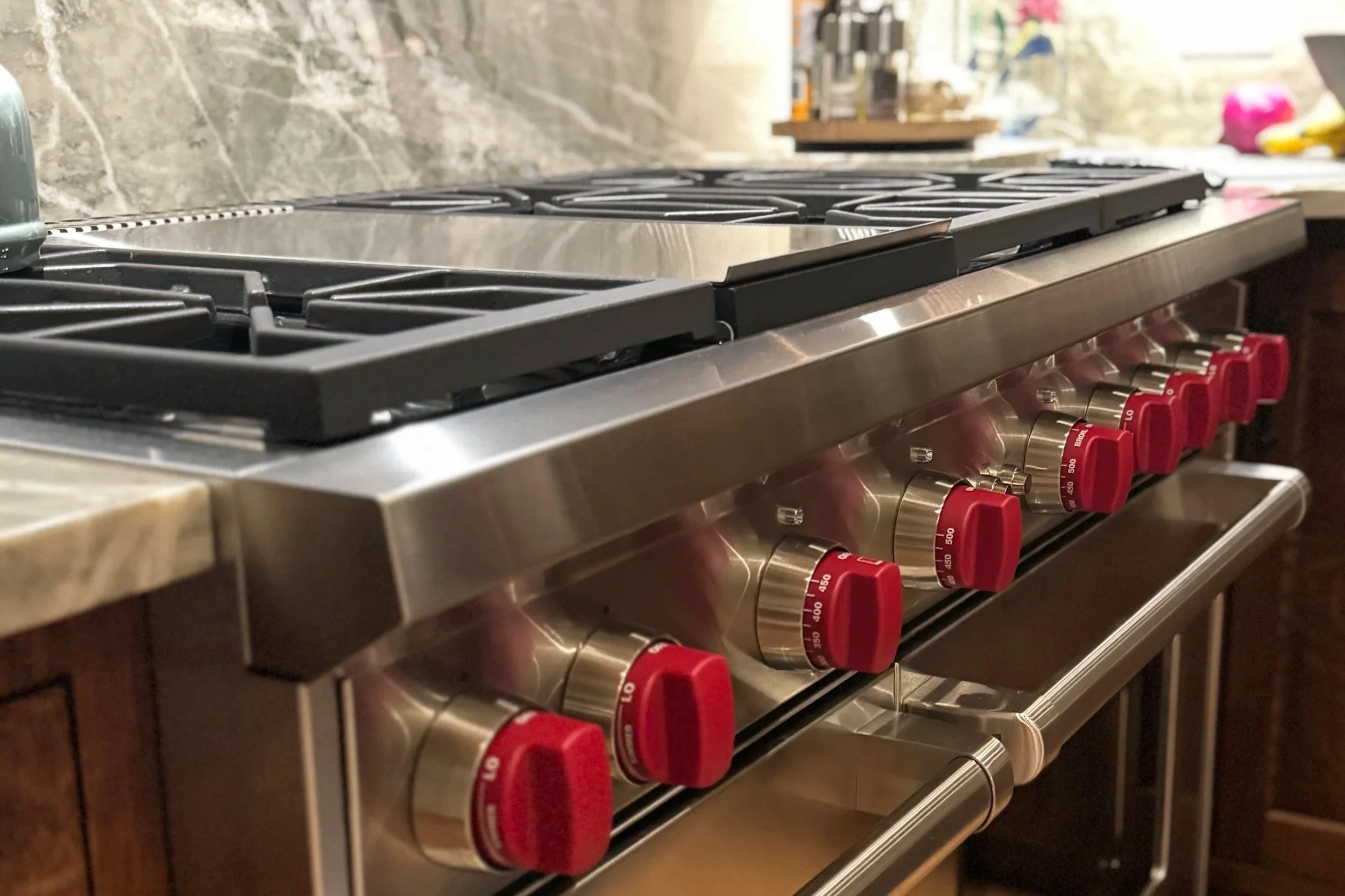
On finishes and hardware: We're moving away from polished nickel because it's cold and reflective. It feels sterile. Instead, we're gravitating toward brass, warm bronze, matte finishes. These materials age with your life. They're not trying to stay pristine. They're becoming part of your story. That patina? That's proof of living.
On light: This is huge, and most people get it wrong. We're designing for how you actually live, not for performing surgery. Your kitchen overhead light doesn't need to be 5000K brightness. That's for task-specific work. Your home should feel inviting at 6 pm when you're cooking dinner, warm and intimate at night, and naturally energized in the morning.
We layer light intentionally. Overhead task lighting where you genuinely need it (maybe near the stove or sink). But everywhere else? We're talking 2700-3000K warm ambient light that makes your space feel like a sanctuary instead of a surgical suite. Your circadian rhythm will thank you, and honestly, there's real neuroscience backing this up. Cool, bright light tricks your body into thinking it's midday. Warm light tells your nervous system to relax.
On color and paint: We choose paint finishes and colors that feel intentional, not safe. Lime wash instead of flat paint because it has actual dimension and ages beautifully. It catches light differently throughout the day. Colors that connect to your life and memories, not generic design-speak names.
Maybe it's the soft blue-gray inspired by the ocean at dawn. Maybe it's a warm sage that reminds you of a trip you took. The point is: your brain registers these as meaningful. That matters neurologically. It affects how you feel in that space.
On materials and texture: Every surface should feel good to touch. That's not a luxury theater. That's fundamental to how humans experience spaces. We're thinking about natural fibers, tactile finishes, and materials that have presence. The way your hand feels on a banister. The texture of a wall. The finish on your countertop. These things matter.
On the bigger picture: We're designing spaces where the visual, tactile, acoustic, and emotional elements all work together. That's quiet luxury. Not showy. Not trying to impress. Just intentional, beautiful, and deeply yours.
Quiet Luxury in Real Life
Let's make this concrete because theory only goes so far.
We had a client with a family dining table. Solid, beautiful, but the legs were dated. We refinished the top, sourced new brass legs with a warm patina, and paired it with coastal-inspired chairs that felt both durable and livable. Now, when her family gathers around it, they're sitting at her table with her history built into it. That's quite luxurious.
We designed a kitchen where the overhead lighting is minimal and warm. 2700K. We added focused task lighting over the sink and stove. The cabinetry is a soft, sophisticated color that was inspired by a paint chip she'd saved from a trip to Florida. The hardware is unlacquered brass that will warm over time. When she cooks in that space at night, it doesn't feel clinical. It feels home.
We worked on a bedroom where the wall color is a lime wash finish in a soft, warm tone inspired by the sunrise her client watches from the balcony. The finish catches light differently in the morning versus the evening. In natural light, it's energizing. In the warm glow of the evening, it's calming. She didn't need us to tell her that. She just felt it the moment she walked in.
These aren't showy spaces. They're not trying to be anything other than exactly what the client needed. And that's the whole point.

Design That Supports You
Quiet luxury is about designing a home that supports you. Does not impress others. It's the space where you feel most like yourself. Where your nervous system relaxes the moment you walk through the door. Where the materials, colors, light, and textures all work together to make you feel safe, grounded, and genuinely at home.
That's what we're here to create. Not a design project. An experience.
Ready to Start Building Your Quiet Luxury Home?If you're thinking about designing a coastal home where every choice is intentional, where the materials age beautifully with your life, and where you feel genuinely at home the moment you walk through the door, I'd love to talk.
We typically work with 4-6 full-service projects per year, which means we have the bandwidth to give each client the attention and expertise they deserve. That means no cookie-cutter designs, no shortcuts on materials, and no compromises on how your space actually feels.
Ready to explore what's possible? Start by filling out this inquiry form to schedule your free discovery call.
And if you're not quite ready yet, that's okay too. Sign up for our newsletter, and we'll keep you inspired with coastal design insights, project stories, and the occasional behind-the-scenes look at how luxury coastal homes really come together.
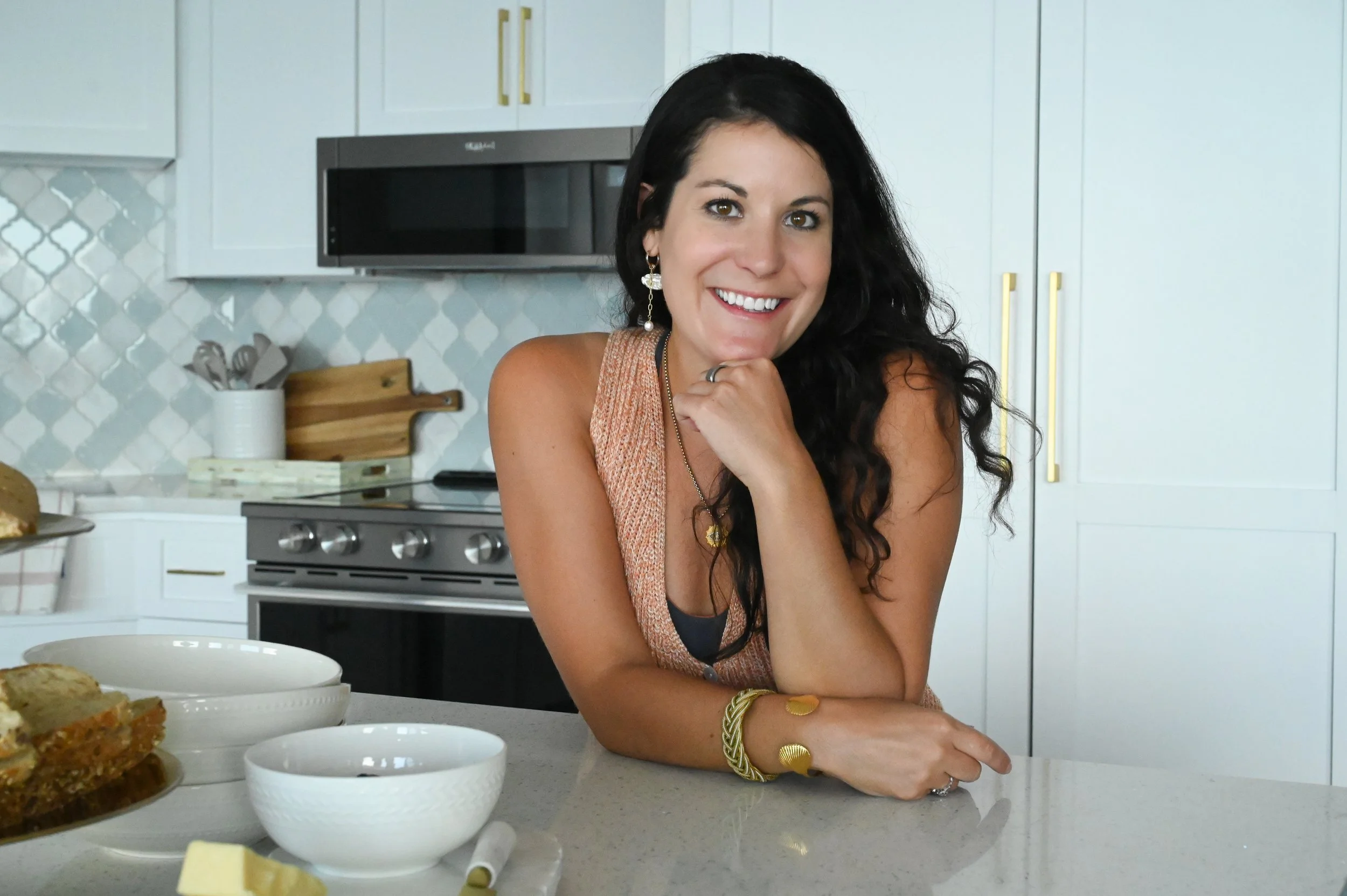
REBECCA MERRITT
founder & principal designer
We are a boutique interior design studio based in The Keys, Florida.